Viardot: Melodies / Composer: Pauline Viardot / Performer: Elisa Triulzi, Marina Comparato / Number of Discs: 1 / Length: 1 Hours 19 Mins. Recorded: December 2012, Auditorium Matteo d'Acquasparta, Acquasparta, Terni, Italy. Pauline Viardot (1821-1910) was one of the most celebrated, cosmopolitan artists of the 19th century. Daughter of the famous tenor Garcia (favorite tenor of Rossini) and sister of Maria Malibran (the most famous soprano of her time) she travelled Europe as an opera singer, maintained a passionate relationship with the Russian writer Ivan Turgenyev, and held legendary "salons" in Paris, frequented by George Sand, de Musset, Rossini, Chopin, Berlioz and many others. As a composer she wrote a fine body of "lieder", several of which are based on Chopin's Mazurkas (which she performed with the composer at the piano). This CD presents a substantial selection of these delightful songs. Beautifully sung by mezzo-soprano Marina Comparato, who made her debut under Claudio Abbado, and has performed in the world's foremost opera houses.
{# optional: put hover video/second image here positioned absolute; inset:0 #}
Called “the Andy Warhol of New Music”, JacobTV (Jacob Ter Veldhuis) blends minimalism, jazz, classical and electronics to create a style all his own. With around 1000 yearly performances worldwide, he is one of the most performed European composers of his time. This two-disc collection, the brainchild of JacobTV and Jeroen van Veen, brings together the Netherlands Radio Chamber Orchestra, conductor Thierry Fischer, Brilliant Classics regulars Jeroen and Sandra van Veen and pianist Ronald Brautigam.
{# optional: put hover video/second image here positioned absolute; inset:0 #}
Brilliant Classics
Veldhuis: Complete Solo Piano Music / Veen
Called “the Andy Warhol of New Music”, JacobTV (Jacob Ter Veldhuis) blends minimalism, jazz, classical and electronics to create a style all...
This release marks the beginning of an exciting new series: the complete songs by Paolo Tosti. Paolo Tosti worked in poverty as a music teacher till he met the influential composer Giovanni Sgambati, who became his mentor. He introduced Tosti to Princess Margherita of Savoy, who later became queen of Italy. She was impressed by him and appointed him as royal music teacher. In 1875 Tosti went to London where his fame spread, and he was made Singing Master of the Royal Family.Tosti is known for his vast quantity of light, expressive songs, which are characterized by natural, singable melodies of a charming and sweet sentiment. They became immensely popular and Tosti made a fortune with them. This new project, a huge enterprise, is produced by the Tosti Institute in Italy, presenting an impressive line of excellent Italian singers: Monica Bacelli, Valentina Mastrangelo, Maura Menghini, David Sotgiu, Nunzio Fazzini, Romina Casucci, and many more. Pianists include Marco Scolastra and Roberto Rupo. Complete sung texts are available on the Brilliant Classics website.
{# optional: put hover video/second image here positioned absolute; inset:0 #}
Brilliant Classics
Tosti: The Song Of Life, Vol. 1
This release marks the beginning of an exciting new series: the complete songs by Paolo Tosti. Paolo Tosti worked in poverty as...
With this second volume of Tosti’s songs, Brilliant Classics takes listeners just half-way through a prodigious, career-long output, in which the key-notes are unfailingly memorable melody, lively charm and a gift for story-telling that rivals the very greatest song-writers past and present, from Schubert to Dylan. Many of his songs have never been recorded, so this set makes a unique contribution to the catalogue. There are a few French songs on Vol 2, reflecting Tosti’s great popularity in Paris, but most of the texts here are by Italian poets, mostly contemporaries such as D’Annunzio and Panzacchi. The album works chronologically through the decade 1886-1895, during which time he was singing teacher to the English royal family. Perhaps in deference to his pupils, there are songs by the likes of Longfellow and Weatherly: the release concludes with his delicately wistful setting of In the Hush of the Night. The first volume of this extraordinary project on Brilliant Classics won wide critical praise. ‘All the singers are careful over nuances,’ remarked MusicWeb International. ’Tosti’s songs have, through the years, been bawled out of recognition by leather-lunged tenors, and it is a blessing to hear so many beautiful pianissimos and diminuendos in this repertoire. The accompaniments are discreet and the recording is well-balanced and natural-sounding.’ This release will be an essential acquisition for all lovers of art-song.
{# optional: put hover video/second image here positioned absolute; inset:0 #}
On Sale
Brilliant Classics
Tosti: The Song of a Life, Vol. 2
With this second volume of Tosti’s songs, Brilliant Classics takes listeners just half-way through a prodigious, career-long output, in which the key-notes...
Yann Tiersen, a true maestro of minimalist piano music, best known for the soundtrack to the 2001 movie Amelie, has released an album of gentle melodies and soothing sounds including both music from Amelie and more recent works. Tiersen's soundtrack to Amelie helped to make the film a hit, perfectly capturing it's bittersweet mix of humor and sadness, and sold over 200,000 albums in France and became a platinum hit in the United States and Germany. As a pianist specializing in the minimalist repertoire, Jeroen van Veen brought intelligence and sensitivity to these performances, and Fanfare writes of the album, The music needs to speak for itself, and that it does, in this consistently enjoyable collection, I have no reservations in recommending to anyone who enjoys minimalism (Fanfare).
{# optional: put hover video/second image here positioned absolute; inset:0 #}
Brilliant Classics
Tiersen: Pour Amelie - Piano Music / Veen
Yann Tiersen, a true maestro of minimalist piano music, best known for the soundtrack to the 2001 movie Amelie, has released an...
This invaluable survey of that most Romantic of instruments includes both the classic concertos of the era, by Dvorák and Saint-Saëns, as well as a generous selection of encores and showpieces, performed by a variety of cellists from this and earlier generations. Including Zara Nelsova, in whose classic interpretation of the Dvo?ák one may readily hear the admiration evinced by the composer's friend Brahms who, on hearing the work, remarked that he would have composed a concerto for the instrument himself had he realized the possibilities inherent in a combination that may present certain problems of balance, pitting the mellow voice of the solo instrument against a full orchestra, but that yet may be overcome through a sensitive songfulness that came beautifully and naturally to Dvo?ák. Brahms, of course, can be considered to have made good his omission with the late flowering of the Double Concerto. His expansive E minor Sonata is here, alongside the deft turns of Mendelssohn's first sonata (in a performance by Luca Fiorentini on a rare Strad cello), as well as more lyrical sonatas by Chopin and Rachmaninoff, treasured by cellists for their juicy melodies and the opportunity to engage with the idioms of composers who largely wrote for the piano. The last disc opens with perhaps the most famous of all cello encores, The Swan, from Saint-Saëns's Carnival of the Animals, which seems perfectly to capture the potential both for melancholy and for imitation of the human voice which places the cello alone among the string family. - Brilliant Classics
{# optional: put hover video/second image here positioned absolute; inset:0 #}
Brilliant Classics
The Romantic Cello
This invaluable survey of that most Romantic of instruments includes both the classic concertos of the era, by Dvorák and Saint-Saëns, as...
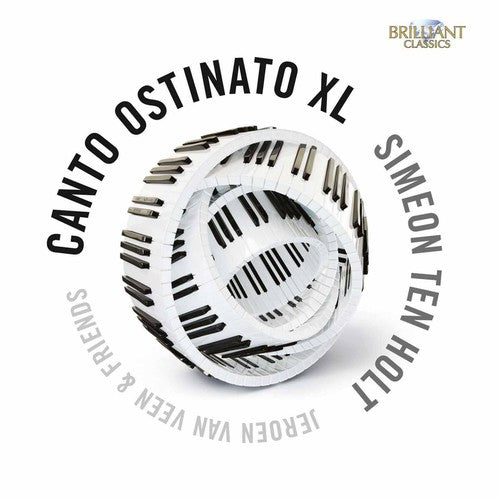
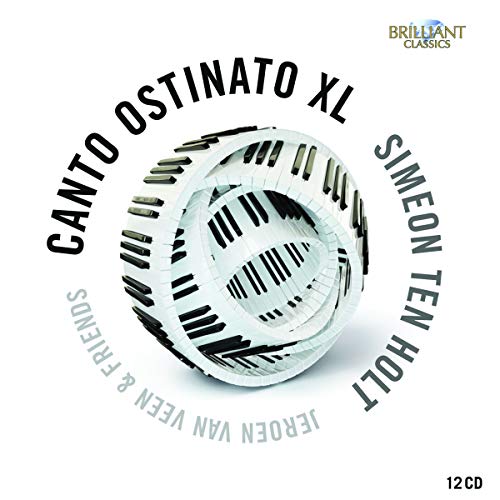
Simeon ten Holt’s unmistakable minimalist style is the driving force behind Canto Ostinato, one of the composer’s most famous works. Canto Ostinato is the best-loved Dutch piano composition of the 20th century, with its mesmerising melodies never failing to soothe the mind.
The instruments and number of performers for the piece are unspecified; written ‘for keyboard instruments’, the work has been recorded many times with piano, but this unique set brings together 12 arrangements of the work – for piano, as well as for organ, marimba and synthesizer. With a variety of recording venues ranging from throughout The Netherlands to Canada, this compilation is a must-have addition to any classical music collection.
Jeroen van Veen is a leading light in modern piano performance, as well as a successful composer. Chairman of the Simeon ten Holt Foundation, he has won critical acclaim with ensembles such as The International Piano Quartet, DJ Piano and Jeroen van Veen & Friends.
Other information: - Recorded in 1999 - 2013. - Anyone having experienced the power of Canto Ostinato by Simeon ten Holt will come under the spell of the hallucinatory effect of this iconic work, the most famous Dutch work for piano of the 20th century, one of the “classics” of minimal music. - Jeroen van Veen and friends present the work in a variety of arrangements, ranging from piano solo through multiple pianos, organ, marimbas and synthesizers, each revealing other aspects of this deceptively simple work in which the harmonies shift imperceptibly in slowly changing waves. - Liner notes on the composer by the artist, who worked in close collaboration till the composer’s death last year.
{# optional: put hover video/second image here positioned absolute; inset:0 #}
On Sale
Brilliant Classics
Ten Holt: Canto Ostinato XL / Jeroen van Veen
Simeon ten Holt’s unmistakable minimalist style is the driving force behind Canto Ostinato, one of the composer’s most famous works. Canto Ostinato...
Telemann: Tafelmusik Selections / Belder, Musica Amphion
Brilliant Classics
$13.99
January 01, 2001
The Tafelmusik (table music) by Baroque composer Georg Philipp Telemann is perhaps his most celebrated collection of music. Telemann was a contemporary of J.S. Bach. In Telemann’s music, however, one can detect a sense of humor far more often than in Bach’s work. At the time Tafelmusik immediately was a great success, and today it is still appreciated today. Selections are performed by Musica Amphion featuring Pieter-Jan Belder.
{# optional: put hover video/second image here positioned absolute; inset:0 #}
Brilliant Classics
Telemann: Tafelmusik Selections / Belder, Musica Amphion
The Tafelmusik (table music) by Baroque composer Georg Philipp Telemann is perhaps his most celebrated collection of music. Telemann was a contemporary...
Stradella: San Giovanni Crisotomo / Astronio, Harmonices Mundi
Brilliant Classics
$13.99
August 26, 2016
Alessandro Stradella’s music is gaining recognition and popularity among scholars more than three centuries after the composer’s death. His adventurous life with his equally adventurous music paints a fascinating picture of this Italian Baroque composer. One of the foremost composers of sacred works during the 17th century in Italy, Stradella wrote his large scale oratorio San Giovanni Crisostomo in lyrical style with long, flowing phrases and very subtle characterization of the dramatis personae. The included booklet contains extensive scholarly liner notes as well as the full libretto in the original language.
{# optional: put hover video/second image here positioned absolute; inset:0 #}
Brilliant Classics
Stradella: San Giovanni Crisotomo / Astronio, Harmonices Mundi
Alessandro Stradella’s music is gaining recognition and popularity among scholars more than three centuries after the composer’s death. His adventurous life with...
The first complete recording based on the new Curci edition of the famous 20 Studies of the Spanish composer Fernando Sor (1778 - 1839) selected by Andrés Segovia and edited by Angelo Gilardino. Angelo Gilardino (Vercelli, Italy, 1941), composer, guitarist, musicologist and teacher, was the artistic director of the Andrés Segovia Foundation at Linares (Spain) from 1997 until 2005. He rescued many unknown works for guitar in the Segovia's archive, providing a powerful contribution to the repertoire of this instrument in the 20th century.
Completely revisited in the timbres and colors of high value music for six strings belonging to the classical repertoire and of great interest to students and professionals.
A complete and innovative reading, carried out thanks to 'urtext' version, the latter the result of a comparison of minunzioso sources. It follows a synoptic reading of the two versions from which emerge in a transparent way the nature of the work of Segovia and creative teaching of a classical author that he read and interpreted in the light of his aesthetics and his ideal.
{# optional: put hover video/second image here positioned absolute; inset:0 #}
Brilliant Classics
Sor: 20 Studies for Guitar / Cristiano Porqueddu
The first complete recording based on the new Curci edition of the famous 20 Studies of the Spanish composer Fernando Sor (1778...
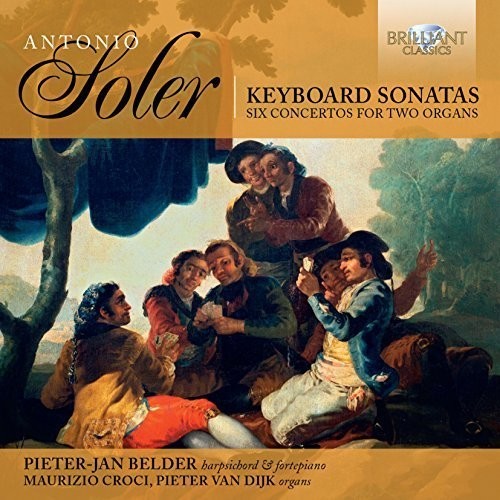
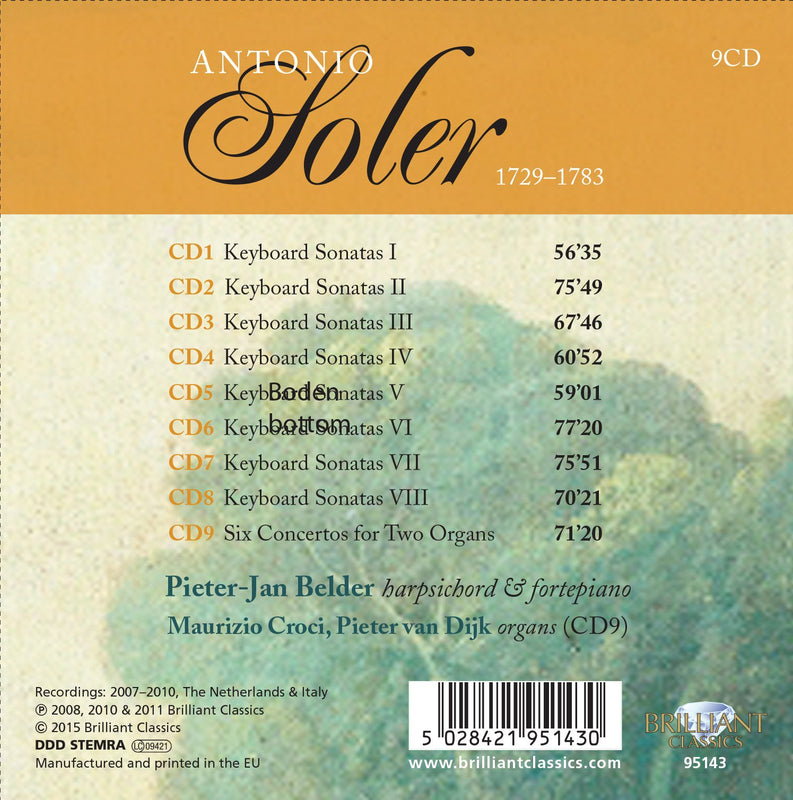
Soler: Complete Keyboard Sonatas; Six Concertos for Two Organs
Brilliant Classics
$45.99
April 28, 2015
Padre Antonio Soler must surely be one of the most original keyboard composers of the 18th century. The few surviving details of his life – including his eventual isolation in the El Escorial monastery near Madrid – have up until recently drawn a veil over his music; only now is he being discovered, with releases like this paying tribute to his extraordinary output.
This collection brings together all of Pieter-Jan Belder’s complete recordings of Soler’s keyboard works, which he has been releasing over the past eight years on the Brilliant Classics label, to great acclaim. Belder is a true scholar of Soler, and has used both the older Rubio edition of the works as well as Marvin’s more updated version, making this release stand out from previous Soler recordings. The collection benefits from the use of different instruments, such as the fortepiano, and the last disc features Soler’s truly extraordinary six concertos for double organ, which he apparently wrote for the Infante son of King Charles III. These are performed by renowned organists Maurizio Croci and Pieter van Dijk, who searched high and low for the perfect place to record these highly unusual works – to great effect.
As a bonus the recording is included of 6 sonatas for two organs, by renowned organists Maurizio Croci and Pieter van Dijk.
{# optional: put hover video/second image here positioned absolute; inset:0 #}
Brilliant Classics
Soler: Complete Keyboard Sonatas; Six Concertos for Two Organs
Padre Antonio Soler must surely be one of the most original keyboard composers of the 18th century. The few surviving details of...
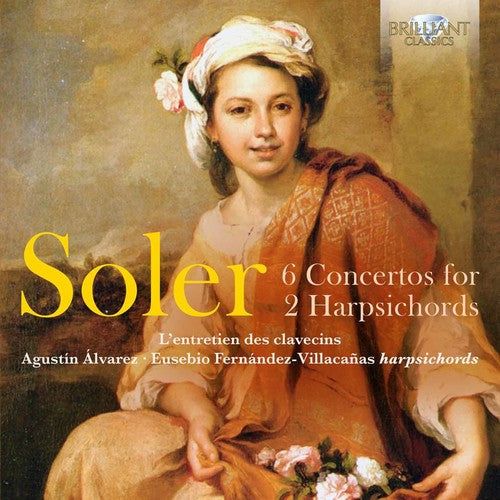
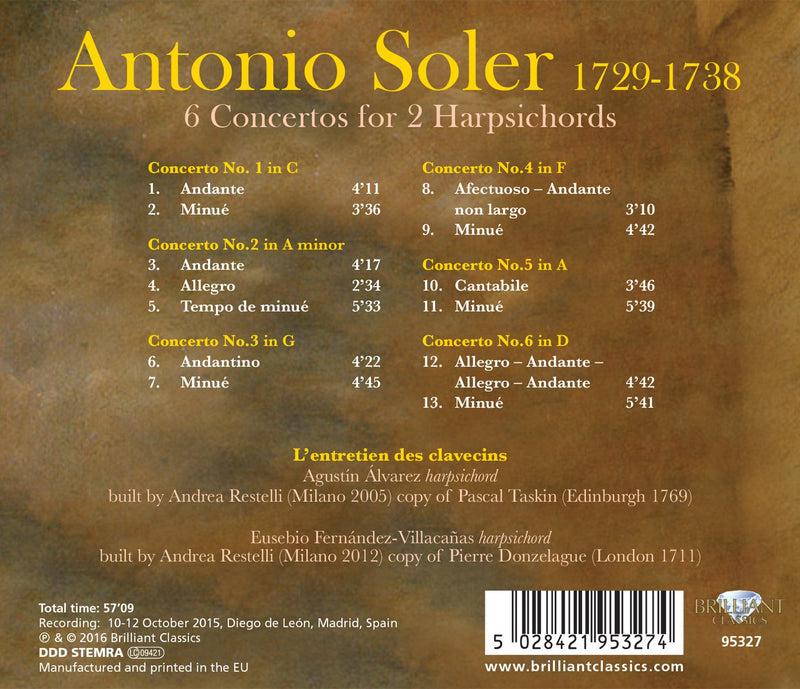
Soler: 6 Concertos for 2 Harpsichords / Alvarez, Fernandez-Villacanas
Brilliant Classics
$13.99
October 28, 2016
Antonio Soler was a scholar, musicologist (he wrote about the history of Spanish music), composer and virtuoso keyboard player. He was in the service of the Spanish Royal family, and personal tutor of the Infante Gabriel de Borbon. Soler wrote a great quantity of solo keyboard sonatas for the use at the Royal court. They are one movement works, much in the style of the sonatas by Domenico Scarlatti (whom he knew personally). The sonatas abound in instrumental virtuosity, daring harmonies and attractive melodies in pre-classical style. Soler wrote the 6 Concertos for 2 Harpsichords for his royal pupil. Judging by the brilliance and vitality of these popular works the composer and his pupil must have hugely enjoyed themselves playing them. These important works are performed here by the harpsichord duo L’entretien dex clavecins, formed by Agustin Alvarez and Eusebio Fernandez-Villacanas, playing magnificent copies, build by Andrea Restelli, of a Taskin and Donzelague harpsichord.
{# optional: put hover video/second image here positioned absolute; inset:0 #}
Brilliant Classics
Soler: 6 Concertos for 2 Harpsichords / Alvarez, Fernandez-Villacanas
Antonio Soler was a scholar, musicologist (he wrote about the history of Spanish music), composer and virtuoso keyboard player. He was in...
Simeon Ten Holt: Solo Piano Music Vol 1-5 / Jeroen Van Veen
Brilliant Classics
$28.99
March 26, 2013
TEN HOLT Canto Ostinato. Natalon in E. Aforisme II. Solo Devil’s Dances I–IV. Eadem Sed Aliter • Jeroen van Veen (pn) • BRILLIANT 9434 (5 CDs: 320:09)
This set is designated as Simeon ten Holt: Solo Piano Music Volumes I-V, so one assumes that another release will follow it in due course. This is good news to those of us who have been bitten by the ten Holt bug, and who are snapping up every release that becomes available. In the United States, the situation is now much better than it was just a few years ago, and it is better, in large part, due to the efforts of pianist Jeroen van Veen (and Brilliant Classics), who, with colleague pianists, and by himself, has been busily recording ten Holt’s often mammoth works for one or multiple pianos. He is not the only world-class pianist to be interested in ten Holt’s music, however, but we will get to that point later.
In Fanfare 35:6, I had a lot to say about Canto Ostinato, albeit in a performance by two pianists, namely van Veen and his wife, Sandra. This was included in van Veen’s Minimal Piano Collection, Volumes X-XX set (Brilliant Classics 9171). I’m going to beg the editor’s indulgence by repeating all of it here:
Simeon ten Holt’s Canto Ostinato, [is] an even more large-scale classic that occupied the composer between 1976 and 1979, and a work that has attained a fair measure of popularity, at least in Europe. (I think its time will come in the United States; all it needs is the right set of circumstances.) Like several of ten Holt’s works, Canto Ostinato gives its performers plenty of flexibility. The score states the composer’s preference for performances with four pianos, but he has enthusiastically endorsed Jeroen and Sandra van Veen’s two-piano realization presented here, and it also has been performed with twelve pianists on five pianos! (Other keyboard instruments are possible too.) The score has 106 sections. Performers can use their own discretion concerning dynamics, articulation, the number of repetitions, and the use and combination of alternative parts. It can last for a half hour or longer than two. The composer writes, “A performance of Canto is more like a ritual than a concert. The piece is not in a hurry.” For me, three factors lend the work its peculiar magic. The first is related to rhythm. Each bar is in 10/16 time, overlaid with 2/4 to create two groups of 5/16. Each “quintuplet” is subdivided into 2+3 or 3+2. What this creates, in the listener, is the curiously dance-like sensation of even unevenness, if you will. The second factor is melodic. At first, there is no melody, in the usual sense of the word. However, over time, an angelic “canto” starts to coalesce, like a picture puzzle slowly coming together. When this “canto,” after many teasing minutes of development, reaches its maturity, the cumulative effect, if you have been paying attention, is literally awesome. (I never fail to weep when I get to section 74 of Canto Ostinato, and I have had a similar experience with Meandres, a ten Holt composition from 20 years later.) Having attained seeming Nirvana, ten Holt (or the performers), then evolves away from it almost immediately, and so Canto Ostinato, on this level, becomes a piece about expectation, and not just achievement but also frustration. It’s a very Zen experience. The third factor is related to community. A successful performance of Canto Ostinato depends upon communication and coordination among the performers. One senses (in the present performance, and in others I have heard) that a sort of hive mentality is at work, or that one is listening, not just to a ritual, but to a biological process. Much as I love music, I would rarely describe it as organic. For me, there are two prominent exceptions, though: some of Sibelius, and all of Simeon ten Holt.
Of course, the present recording, which dates from the fall of 2012 (like everything else in this collection), removes the third factor enumerated above because all of these are solo performances. I think I understand ten Holt’s preference for performances, at least of Canto Ostinato, involving multiple pianos. Played solo, the music remains highly effective, but the ineffable and moving sense of community is absent here. Otherwise, it is striking how similar this new solo recording of Canto is to the one by van Veen and his wife in the Minimal Piano Collection set. The total timing (78:15) is just a minute shorter than its predecessor, and isn’t it convenient that it all fits on one CD? (A four-piano version recorded in the ’80s and released by Composer’s Voice/Donemus lasts over 150 minutes and requires three discs, and let me tell you, those disc-changes are a real letdown!) There’s no sense that the music’s development is being rushed, but I think, generally speaking, the more performers one has, the longer it takes to perform it effectively. In a review of piano music by Philip Glass (also in this issue), I commented that van Veen was a more subjective performer than the composer himself. In ten Holt’s music, however, I find that van Veen is less personal—which I suppose is another way of saying less romantic—than other pianists who have recorded it, namely Ivo Janssen (on Void), and on the aforementioned three-CD extravaganza, Gerard Bouwhuis, Gene Carl, Cees van Zeeland, and Arielle Vernède. Still, I have every reason to believe that van Veen’s playing realizes the composer’s intentions completely.
So, where this new release really comes into its own is in the remaining four discs, because this is great music too, and there is less competition. (In some cases, I think, there is none at all, at least on disc.) Solo Devil’s Dance I was composed in 1959 and lasts only 4:10. The remaining three works in this series are much later (1986, 1990, and 1998, respectively) and much longer too: 67:43, 45:55, and 38:41. The first is an etude whose basis is an essentially unrelenting triple rhythm passed from one hand to the other, with a—well, impish counterpoint. No surprise: It sounds utterly unlike anything else on these discs, but one can sense the presence of ten Holt’s mind, even if one can’t exactly hear ten Holt’s voice. With the second, we are back in familiar, i.e., minimalist, territory. An odd, nervous rhythm and a melodic pattern are quickly established, and over the course of 67 minutes it is developed. With Philip Glass, one senses that his favorite geometric shape is a square. Ten Holt, on the other hand, probably was enamored of pentagons and heptagons. Solo Devil’s Dance II is jazzy, without ever turning into jazz, and eternally unsettled. As in Canto, tension rises, is dissipated, and rises again; Glass is rarely this dramatic. It sounds like a terrible finger-buster for any pianist, but I imagine stamina and concentration are even bigger issues. Fortunately, listeners don’t have to fear for the fingers. If they are receptive, their concentration should be stimulated by the ever changing but always the same landscape of shifting accents, phrase lengths, and by each new section of the score (there are 111!) in which a new puzzle piece, or a new clue (if you will) is added. Kees Wieringa’s version of this work can be downloaded as an mp3 from Amazon. I haven’t heard more than an excerpt—I have yet to feel that downloaded mp3s are worth my time and money, so any comparisons I make with mp3s in this review are based solely on brief excerpts—but for what it’s worth, Wieringa’s version is only 28 seconds longer. Ivo Janssen’s mp3 is only half as long, and is a little slower.
Solo Devil’s Dance III is built on similar plans, but it strikes me as a more genial piece. If its predecessor is obsessive, it is cheerfully industrious, as if one were overlooking a sort of musical factory in which the workers are notes and their products are phrases and successively larger musical structures. The music burbles along happily, and it really does seem to dance. One wonders if the melodic material’s resemblance, at times, to Till’s theme from Till Eulenspiegels lustige Streiche was accidental. Otherwise, there is nothing demonic here! In fact, extended sections in the piano’s stratosphere suggest fairies, perhaps from A Midsummer Night’s Dream, more than anything horned. Wieringa’s mp3 is almost 20 minutes shorter, as he moves through the work’s 77 (!) sections!
What makes the Solo Devil’s Dances demonic, perhaps, is the demands that they place on the performer. (Van Veen is certainly up to their various challenges.) An additional demonic element that appears in Solo Devil’s Dance IV is a fixation with the interval of a tritone, the “diabolus in musica.” This piece is a particularly cruel task for the pianist, as it is fast, lengthy, and more intricate in its patterning than its predecessors. If Solo Devil’s Dance II is obsessive, this last member of the family carries obsession to its most driven extremes. It’s an etude from hell. At 18: 14, Ivo Janssen’s mp3 of this work is only half the length of van Veen’s performance, and he adopts a somewhat slower tempo, so clearly he takes fewer repeats than van Veen. (As I mentioned above, in my description of Canto, ten Holt’s scores generally give performers a lot of latitude.) This work contains 89 “separate musical objects,” which I suppose is just another way of indicating “sections.” This was ten Holt’s final work, although he did not die until 2012.
Earlier, I used the phrase, “ever changing but always the same.” That is a rough English translation of the Latin phrase Eadem Sed Aliter, the title of a work in 113 sections from 1995 also included in this collection. To quote from the booklet note (van Veen’s?), “the left hand is shifted two sixteenths from the right hand—this creates a big challenge for the thumbs of both hands, like in the music of Franz Liszt where the thumbs were first used to play melodies. The ping-pong-style playing with accents, together with building layers (getting louder and softer), turn this into an interesting piece.” The music has a plaintive quality, as if it were begging to be released from its unceasing activity and lack of resolution (harmonic and otherwise). As with the other works in this collection, I can’t even begin to imagine the endurance and concentration required to perform it, and van Veen has both my admiration and my sympathy! An mp3 by Janssen is a few minutes shorter (33: 49), and in this work, his tempo is even faster than van Veen’s. Madness!
The two remaining works date from the 1970s. Aforisme II (1974) is receiving its first recording here. It is, in a sense, the seed that produced Canto Ostinato, as it is a 6/8 version of the Canto melody, with an accompaniment of broken chords (imagine a barcarolle.) The Chopinesque bit of sweetness is just four minutes long, and, if a score were to be published, I predict it would quickly appear on every third teenage piano student’s recital. Natalon in E also is atypical. There are five movements in contrasting tempos and moods, and ranging from four to 11 minutes in length. The material in each movement is characteristic of ten Holt, but its development is far more concise. Like Aforisme II, this is ten Holt “lite,” although I don’t mean to denigrate it with that adjective, only to imply that it is more accessible to performers and listeners who might not generally be interested in Minimalism or “contemporary music,” whatever that is.
The booklet contains, in addition to unsigned notes about some (not all, unfortunately) of the works, a short essay about the composer himself, and about van Veen as an interpreter of his music. This originally appeared in Fanfare 33:5 and is written by Alan Swanson, who took advantage of the opportunity to bang the drum for ten Holt before I did. I’m glad he did. Since I discovered it a few years ago, Simeon ten Holt’s music has become important to me; it has given me great intellectual and emotional satisfaction. I am very happy that Jeroen van Veen’s advocacy, not least through these recordings, has made it easier for new audiences to become exposed to it. Please, however you do it, introduce yourself to Simeon ten Holt.
FANFARE: Raymond Tuttle
{# optional: put hover video/second image here positioned absolute; inset:0 #}
Brilliant Classics
Simeon Ten Holt: Solo Piano Music Vol 1-5 / Jeroen Van Veen
TEN HOLT Canto Ostinato. Natalon in E . Aforisme II. Solo Devil’s Dances I–IV. Eadem Sed Aliter • Jeroen van Veen (pn)...
Vedi Napoli e poi muori; "See Naples and die." As the famous expression goes, there is nowhere in the world more beautiful than Naples, so once there, there is no need to go any further. This release invites you to experience a Neapolitan evening, or Serenata Napoletana, with a collection of beautifully soothing music for the mandolin and piano. Although at the end of the 19th century Naples was more famous for it's songs than it's instrumental music, it was actually a highly innovative period for the mandolin. Indeed, the two forms developed closely alongside each other, with some features crossing both vocal and instrumental music; the uniquely Neapolitan melodic lines come across strongly in both the voice and the mandolin, and the accompaniments also contain similarities, with the piano on this disc clearly invoking the flute that would normally accompany a singer. This release brings together 12 different composers to offer a fascinating selection of the music of this time, none of which has ever been recorded before. Almost all the featured composers studied or taught at Naples' renowned conservatoire, San Pietro a Majella, where the mandolin was given serious treatment as a classical instrument for the first time. These pieces are a fitting counterpart to the long established tradition of the Neapolitan canzone, and any lover of Romantic music will find themselves instantly transported to one of Italy's most seductive and evocative cities. These rare works are interpreted by young performers Raffaele La Ragione and Giacomo Ferrari. With Raffaele hailing from Naples originally, the two met while studying in Milan, and soon found a shared passion in these works. They have given several public performances together, of which the press praised for their "lyrical" and "elegant" playing. This release invites to you an evening in Naples, one of the most beautiful and romantic cities in the world, and listen to an enchanting collection of Neapolitan songs, played by the mandolin, the instrument most closely related to that city of cities, and accompanied on the piano. Most of these songs, which have never been recorded before, are from 19th century sources. They are a tribute to the mandolin, treated as a serious classical instrument in that time, and to the traditional Neapolitan song, whose sentiment and content are so closely related to it's city of origin. Beautifully played by two young Italians, sharing their passion for this neglected genre. Unique opportunity to own works never published or recorded before. Extensive liner notes on the music by Raffaele La Ragione.
{# optional: put hover video/second image here positioned absolute; inset:0 #}
Brilliant Classics
Serenata Napoletana: Music For Mandolin And Piano
Vedi Napoli e poi muori; "See Naples and die." As the famous expression goes, there is nowhere in the world more beautiful...


 {# optional: put hover video/second image here positioned absolute; inset:0 #}
Brilliant Classics
{# optional: put hover video/second image here positioned absolute; inset:0 #}
Brilliant Classics {# optional: put hover video/second image here positioned absolute; inset:0 #}
Brilliant Classics
{# optional: put hover video/second image here positioned absolute; inset:0 #}
Brilliant Classics {# optional: put hover video/second image here positioned absolute; inset:0 #}
Brilliant Classics
{# optional: put hover video/second image here positioned absolute; inset:0 #}
Brilliant Classics {# optional: put hover video/second image here positioned absolute; inset:0 #}
On SaleBrilliant Classics
{# optional: put hover video/second image here positioned absolute; inset:0 #}
On SaleBrilliant Classics {# optional: put hover video/second image here positioned absolute; inset:0 #}
Brilliant Classics
{# optional: put hover video/second image here positioned absolute; inset:0 #}
Brilliant Classics {# optional: put hover video/second image here positioned absolute; inset:0 #}
Brilliant Classics
{# optional: put hover video/second image here positioned absolute; inset:0 #}
Brilliant Classics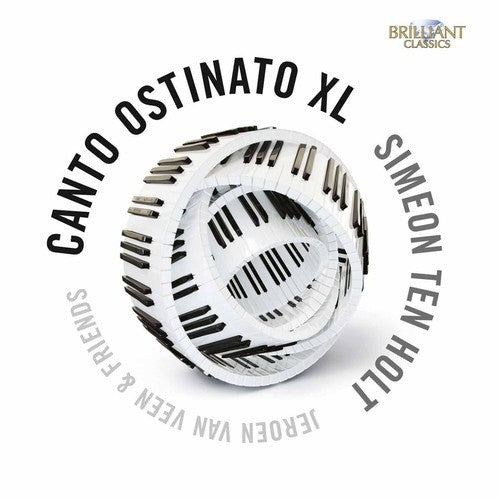 {# optional: put hover video/second image here positioned absolute; inset:0 #}
On SaleBrilliant Classics
{# optional: put hover video/second image here positioned absolute; inset:0 #}
On SaleBrilliant Classics {# optional: put hover video/second image here positioned absolute; inset:0 #}
Brilliant Classics
{# optional: put hover video/second image here positioned absolute; inset:0 #}
Brilliant Classics {# optional: put hover video/second image here positioned absolute; inset:0 #}
 {# optional: put hover video/second image here positioned absolute; inset:0 #}
Brilliant Classics
{# optional: put hover video/second image here positioned absolute; inset:0 #}
Brilliant Classics {# optional: put hover video/second image here positioned absolute; inset:0 #}
Brilliant Classics
{# optional: put hover video/second image here positioned absolute; inset:0 #}
Brilliant Classics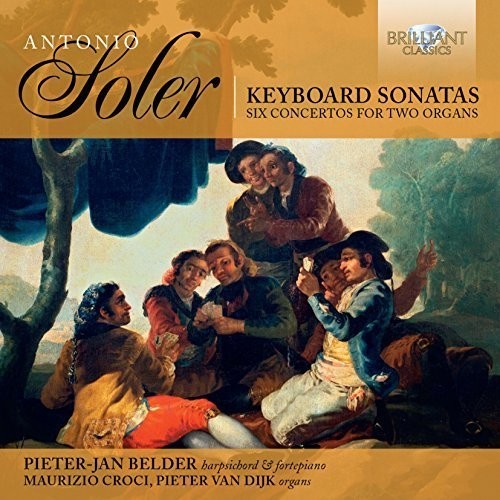 {# optional: put hover video/second image here positioned absolute; inset:0 #}
Brilliant Classics
{# optional: put hover video/second image here positioned absolute; inset:0 #}
Brilliant Classics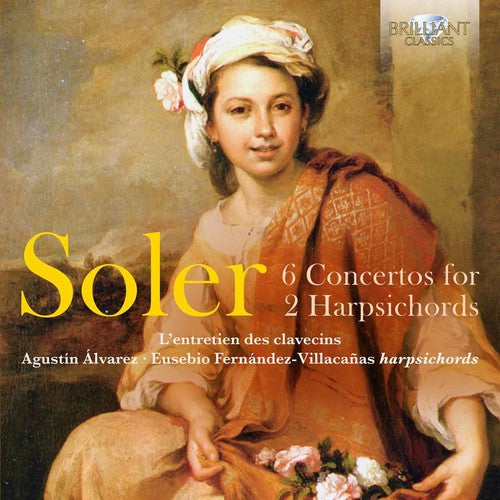 {# optional: put hover video/second image here positioned absolute; inset:0 #}
Brilliant Classics
{# optional: put hover video/second image here positioned absolute; inset:0 #}
Brilliant Classics {# optional: put hover video/second image here positioned absolute; inset:0 #}
Brilliant Classics
{# optional: put hover video/second image here positioned absolute; inset:0 #}
Brilliant Classics {# optional: put hover video/second image here positioned absolute; inset:0 #}
Brilliant Classics
{# optional: put hover video/second image here positioned absolute; inset:0 #}
Brilliant Classics


 {# optional: put hover video/second image here positioned absolute; inset:0 #}

 {# optional: put hover video/second image here positioned absolute; inset:0 #}

 {# optional: put hover video/second image here positioned absolute; inset:0 #}

 {# optional: put hover video/second image here positioned absolute; inset:0 #}


 {# optional: put hover video/second image here positioned absolute; inset:0 #}


 {# optional: put hover video/second image here positioned absolute; inset:0 #}


 {# optional: put hover video/second image here positioned absolute; inset:0 #}

 {# optional: put hover video/second image here positioned absolute; inset:0 #}


 {# optional: put hover video/second image here positioned absolute; inset:0 #}


 {# optional: put hover video/second image here positioned absolute; inset:0 #}


 {# optional: put hover video/second image here positioned absolute; inset:0 #}


 {# optional: put hover video/second image here positioned absolute; inset:0 #}


 {# optional: put hover video/second image here positioned absolute; inset:0 #}


 {# optional: put hover video/second image here positioned absolute; inset:0 #}


 {# optional: put hover video/second image here positioned absolute; inset:0 #}