Composer: Luigi Rossi
5 products
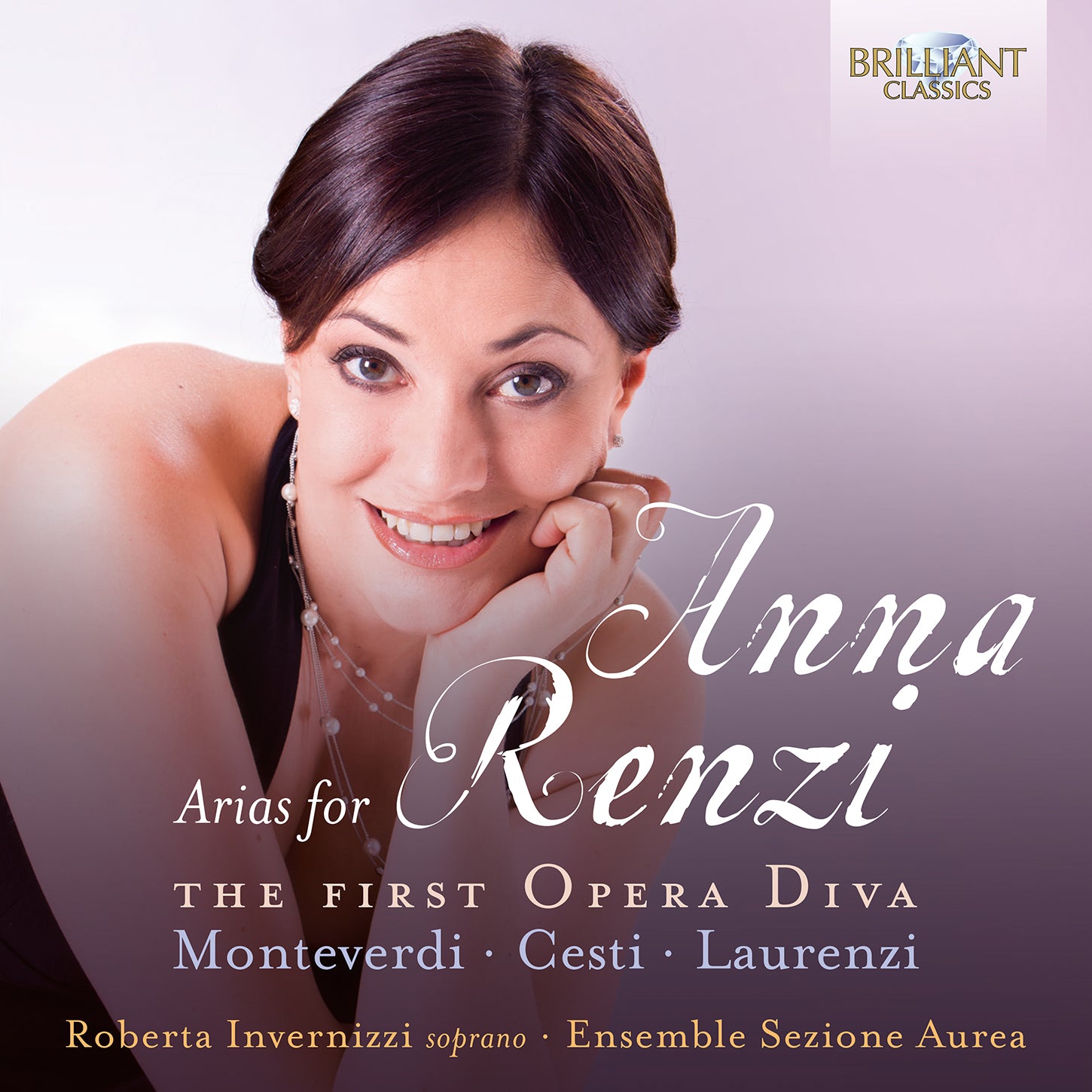
Arias for Anna Renzi, the First Opera Diva / Roberta Invernizzi
As the most celebrated singer in Venice during the 1640s, Anna Renzi created roles in operas by the great dramatists of the day including Ottavia in L’incoronazione di Poppea. As outlined by the booklet’s detailed essay on Renzi’s life and career, her career was not very long but dazzling. It centered round the many Venetian theatres and prestigious tours that took her to Florence, Genoa and Innsbruck: from 1640, when she made her debut in Rome, her home city, in an opera written by her alleged teacher Filiberto Laurenzi staged at the French embassy in Palazzo Pallavicini-Rospigliosi, to 1657 in Le fortune di Rodope e Damira, set to music by Pietro Andrea Ziani, at Teatro Sant’Aponal in Venice. Roberta Invernizzi begins her recital with ‘Disprezzata regina’ L’incoronazione di Poppea and follows it with two arias from Cesti’s lesser-known Argia of 1655, hardly less dazzling in the brilliance of its vocal line. O cara libertà is a standalone aria from a collection by a composer two generations after Monteverdi, Filiberto Laurenzi (1618-after 1651), and Invernizzi ends the album on a high with three arias from his little-known drama La Finta Savia.
Between the vocal selections, Ensemble Sezione Aurea insert instrumental interludes by Venetian contemporaries such as Rossi, Cima and Frescobaldi. The album as a whole adds up to a compelling portrait of Renzi, demonstrating her particular gift for bringing characters to vivid life on stage, and also a showcase for the vocal and dramatic talents of Roberta Invernizzi, who has taken lead roles in early operas under early-music luminaries including Alan Curtis, Rinaldo Alessandrini and Nikolaus Harnoncourt. The booklet also includes full sung texts and English translations.
REVIEW:
Roberta Invernizzi presents a tribute to a so-called opera diva, Venice’s most famous singer in the 1640s, Anna Renzi. With interpretations full of character, this is a successful, if somewhat brief tribute to her legendary ancestor.
-- Pizzicato (Remy Franck)
The Secret Lover / Tenet
What Artemisia Heard: Music and Art from the Time of Caravaggio and Gentileschi / El Mundo
What Artemisia Heard: Music and Art from the Time of Caravaggio and Gentileschi is the culmination of a unique project envisioned by El Mundo artistic director Richard Savino. Enraptured over the work of female Baroque painter Artemisia Gentileschi, Savino began to question why the music of Artemisia’s time is not as widely appreciated as the visual arts of the era. Recognizing a ubiquitous connection in popular music between the aural and visual, Savino had the ingenious idea to integrate the sublime painting of Artemisia and her contemporaries directly with the equally sublime music these painters would have heard at the time.
Featured alongside paintings by Artemisia and her contemporaries is music by composers Uccellini, Kapsberger, Frescobaldi, Caccini, Piccinini, Monteverdi, Falconieri and Rossi, among others, as performed by El Mundo and distinguished soloists. El Mundo is dedicated to the performance of 16th – 19th c. Latin American, Spanish and Italian chamber music. Under the direction of guitarist/lutenist Richard Savino, El Mundo was formed in 1999 and is made up of some of today’s finest period instrument performers.
Luigi Rossi: Cantatas, Duets, Terzets / Schola Cantorum Basiliensis
Lamenti Barocchi Vol 3 / Vartolo, Capella Musicale Di San Petronio
the sheer joy of hearing Italian singers in this repertoire where so much rests on the text, especially since these are singers whose accuracy of pitch and sureness of focus means that they can sing together with instrumental clarity -- Early Music Review