Matthew Locke
6 products
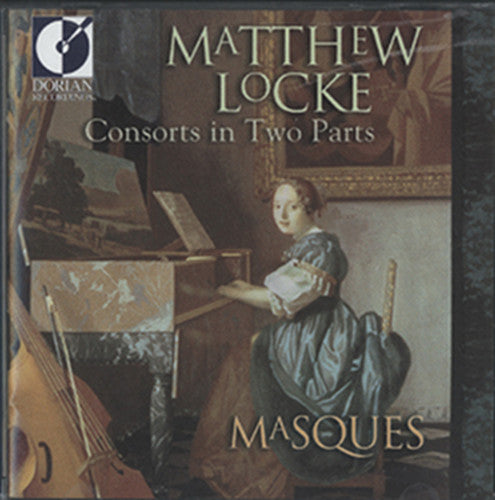
Locke, M.: Consorts in 2 Parts
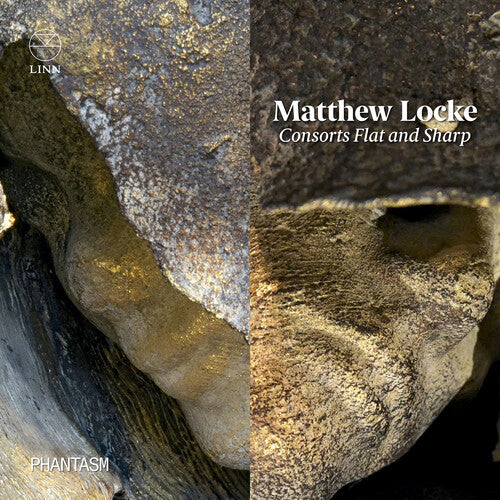
Locke: Consorts Flat & Sharp / Phantasm
In this recording, the expert violists of Phantasm return to the unconventional yet brilliant polyphonist Matthew Locke. Under the guidance of Laurence Dreyfus, Phantasm presents the second half of Locke’s Little Consort, composed for treble, tenor and bass viol, and pairs it with three suites from the Flat Consort for my cousin Kemble whose unusual grouping comprises treble and two bass viols. Both sets are accompanied by a chordal bass instrument, in this instance the leading theorbo player Elizabeth Kenny. Locke’s experimental, not to say libertarian, impulse pervades the works, and yet the composer remains grounded in the traditional ethos of strict counterpoint, standing as one of the last champions of the once treasured great polyphonic tradition. More than 400 years later, his music remains as fresh as ever.
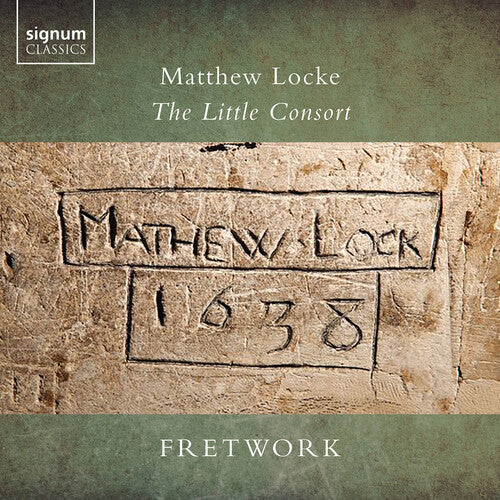
Locke: The Little Consort / Fretwork
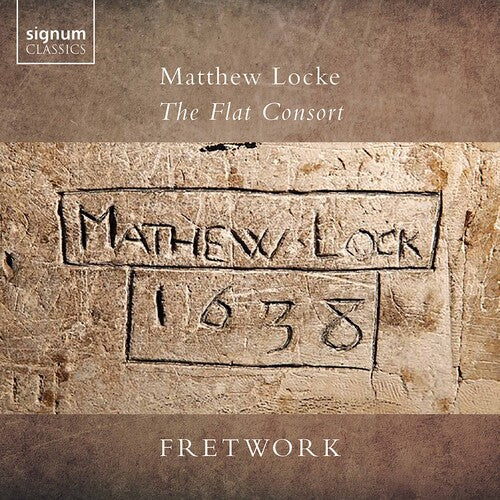
In November 2022 Fretwork return for the second instalment of their cycle of works by Matthew Locke. Matthew Locke was born 400 years ago in 1622, and while he is often ranked as one of England’s finest composers, he is still unaccountably neglected: his music may not be as immediately appealing as his immediate successor, Henry Purcell, nor as wide-ranging as William Byrd, yet his forceful musical personality and luxuriant technique place him in the first echelon of English composers, with his works described by Richard Boothby of Fretwork as having a “quixotic, capricious restlessness that is constantly challenging the listener to follow his argument ... a thrilling musical ride”. Accompanying Fretwork on continuo for this recording are David Miller (archlute and theorbo) and Silas Wollston (harpsichord). The cover of the album bares an inscription in the walls by the choir stall of Exeter Cathedral, thought to have been carved by the composer during his time as a member of the choir there.
REVIEWS:
In most of the suites, Fretwork exploits the textural and percussive effects of the theorbo and harpsichord - both played with terrific flair - which articulate the all-pervasive dance rhythms. In the serene F major Suite No. 6, omitting the continuo highlights the sparse transparency of the three-part texture and Fretwork ‘play plain’ its interlaced melodies, weaving them into a sheer fabric of sound.
The players obviously relish these convivial musical conversations and the album makes for felicitous listening and, for the uninitiated, a perfect introduction to Locke’s viol consorts.
-- BBC Music Magazine
An intriguing recording: on first playing, I found this album difficult to get into, an experience. However, with repeated listenings it did it start to reveal its true – and beautiful – self. These ‘Pavans, Ayres, Corants and Sarabands’ by Matthew Locke are strange things indeed. It is the strangely shifting, uncanny edge to Locke’s music that is his trademark – and Fretwork here transform it into something beguiling.
Most intriguing are the fleeting moments when Fretwork do not sound like a viol consort. Locke’s designation of the book as ‘for viols or violins’ acknowledges that the viol was soon to be usurped by the violin; here, Fretwork embody this historical juncture through a flexibility and agility of stroke.
-- Gramophone
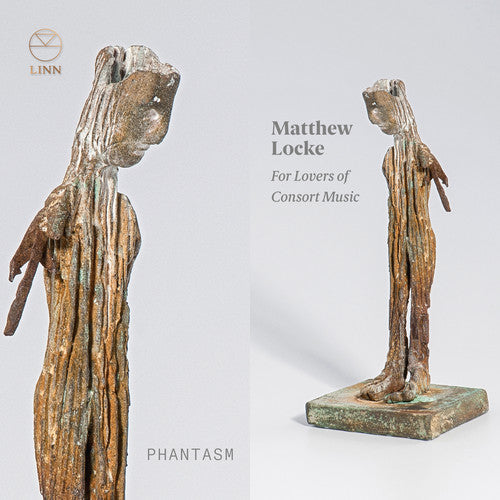
Locke: For Lovers of Consort Music / Phantasm
Phantasm adds to its critically-acclaimed repertory of English viol consort music with the first recording in what will be a series exploring the music of Matthew Locke. A turbulent musical personality, Locke has much to endear him to ‘lovers of consort music’; his ceaseless and obsessive quest for variety ensures music of maximum breadth and diversity. Director Laurence Dreyfus has created an intriguing programme that showcases Locke’s rule-bending approach featuring music that is in turn quirky and humorous, lyrical and sweet. Most excitingly, this release reunites the partnership of Phantasm and lutenist Elizabeth Kenny, whose last album together, Dowland: Lachrimae or Seven Tears, won both a Gramophone Award and a Diapason d’Or de l’Année. Locke’s part-writing, and the oftentimes orchestral dimension of his approach, are both highlighted by the opulent realization of the continuo part, devised here with supreme inventive powers by Kenny.
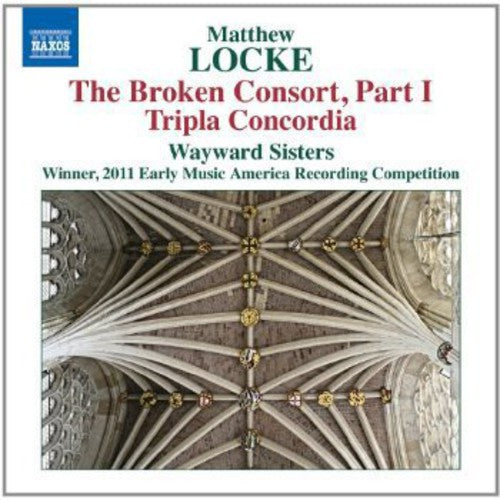
Locke: The Broken Consort, Part 1 / Wayward Sisters
-- All Music Guide
Locke: The Flat Consort / Fretwork
Matthew Locke was born 400 years ago in 1622, and while he is often ranked as one of England’s finest composers, he is still unaccountably neglected: his music may not be as immediately appealing as his immediate successor, Henry Purcell, nor as wide-ranging as William Byrd, yet his forceful musical personality and luxuriant technique place him in the first echelon of English composers, with his works described by Richard Boothby of Fretwork as having a "quixotic, capricious restlessness that is constantly challenging the listener to follow his argument...a thrilling musical ride".
Accompanying Fretwork on continuo for this recording are David Miller (archlute and theorbo) and Silas Wollston (harpsichord). The cover of the album bears an inscription in the walls by the choir stall of Exeter Cathedral, thought to have been carved by the composer during his time as a member of the choir there. In 2021, Fretwork celebrated its 35th anniversary. In the past three and a half decades they have explored the core repertory of great English consort music, from Taverner to Purcell, and made classic recordings against which others are judged. Their recent critically-praised releases with Signum include If and Lamento – both with countertenor Iestyn Davies – and In Nomine 2.
REVIEWS:
Fretwork captures the brooding quality of the minor-mode suites particularly well, and their sinewy playing points up Locke’s vigorous counterpoint and robust rhythms.
-- BBC Music Magazine
The delicious way in which Locke’s fantazias – unlike those of Jenkins or Lawes – present a cornucopia of switches in tempo or affect is matched by Fretwork’s agility in moving from one colour and affect to the next.
-- Gramophone