Daphne Records
49 products
CONVERSATIONS
JULY
Stenhammar: Symphony No. 2 - Korvits: Passacaglia for Orches
Music for a Royal Wedding
Bach: Flute Sonatas
Dedinske Sceny
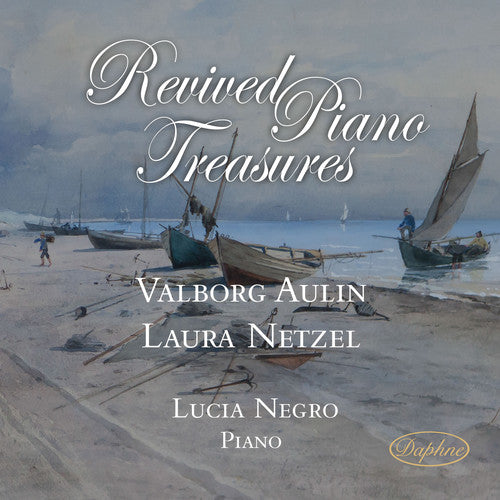
Revived Piano Treasures
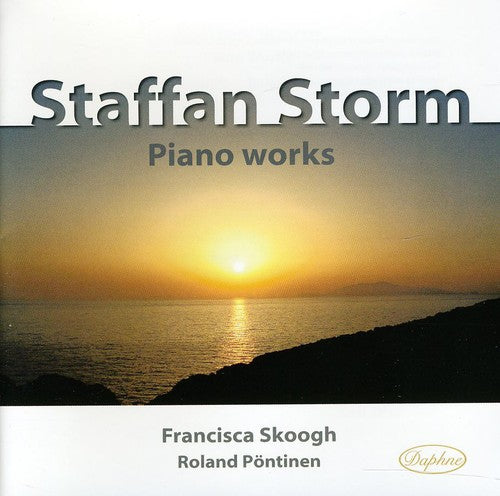
Storm: Piano Works
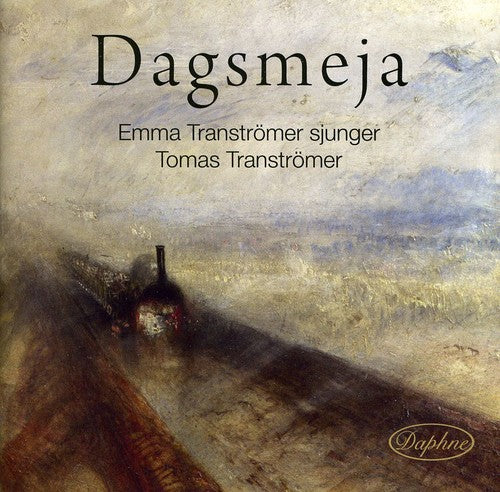
Dagsmeja- Emma Tranströmer sjunger Tomas Tranströmer
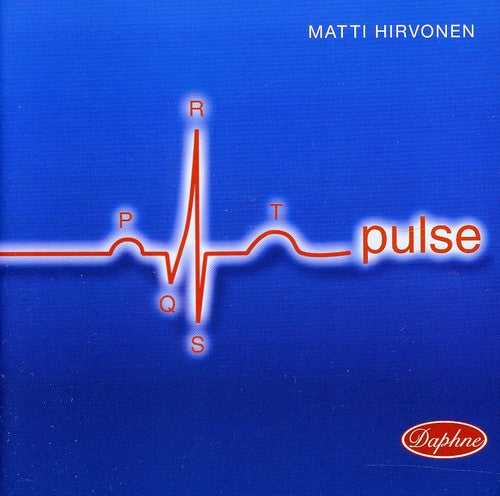
PULSE
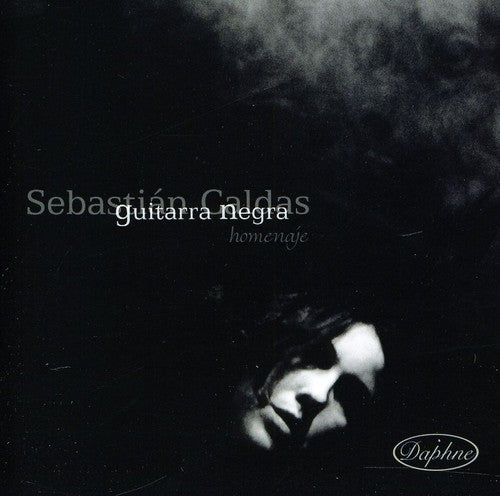
Guitarra Negra
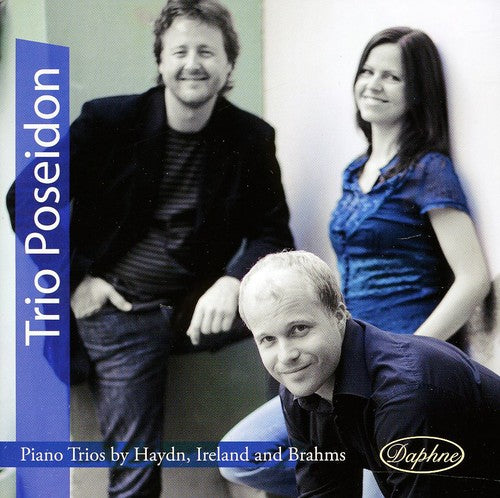
PIANO TRIOS BY HAYDN, IRELAND
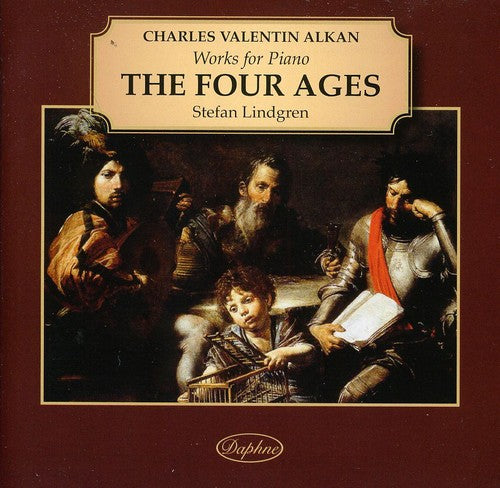
Alkan: The 4 Ages
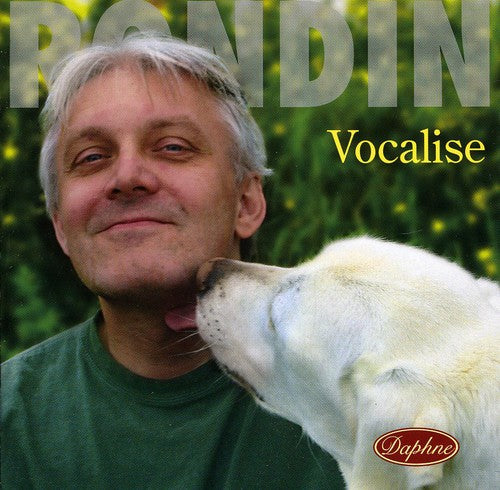
VOCALISE
Lyra Sonora: Music for the 12 Course Lute
Tendresses
Brahms: String Quintets
Lundgren: Dear Body
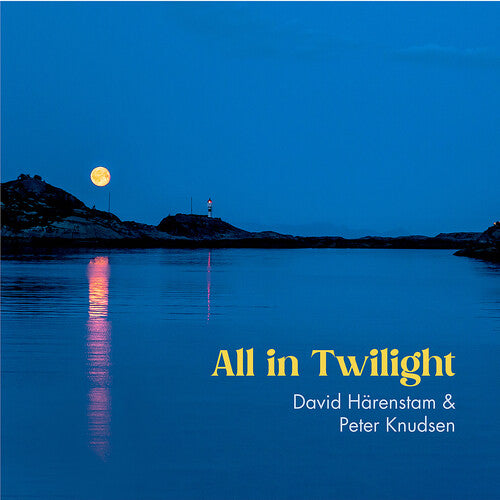
All in Twilight
This collaboration started out with an idea of somehow combining the fields of classical contemporary music and contemporary jazz improvisation, creating a bridge between the musical worlds. The resulting album, All in Twilight, is driven by a deep admiration for the original music and its expressive potential. Toru Takemitsu´s guitar suite All in Twilight with its richness and wide musical spectrum, Erland von Koch’s Utanmyra-variationer based on a Swedish folk music tune, the explosive guitar piece Fuoco by French composer Roland Dyens and Thin Places, a new composition written for the duo by Stefan Klaverdal.
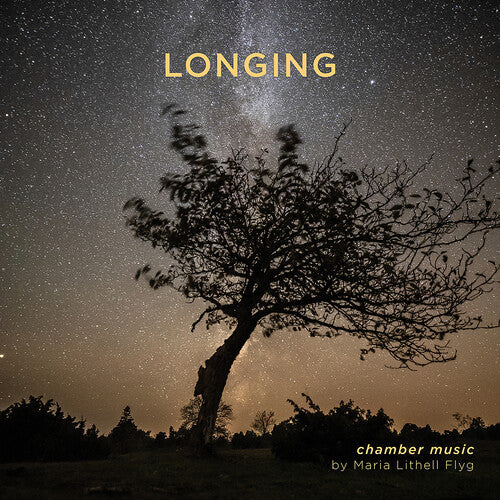
Flygh: Longing
Maria Lithell Flygh writes: “It’s hard to pinpoint what makes my heart sing when I read a poem, but that’s what it takes to get me composing. Another source of inspiration is to picture the musicians and singers who will be performing the piece, which is the case for the material on this album. The pandemic brought certain things home to us: what we truly long for. Encounters with other people, experiencing music and other art forms in groups, having good health, being together. While reading Nya dikter by Lotta Lotass, I realized that an undercurrent of longing ran throughout the poems. The images of chained circus elephants she chose to include in her collection reinforced this feeling and made me want to create music that combined the sense of longing and melancholy present in Swedish folk music with my own, more contemporary, expression.”
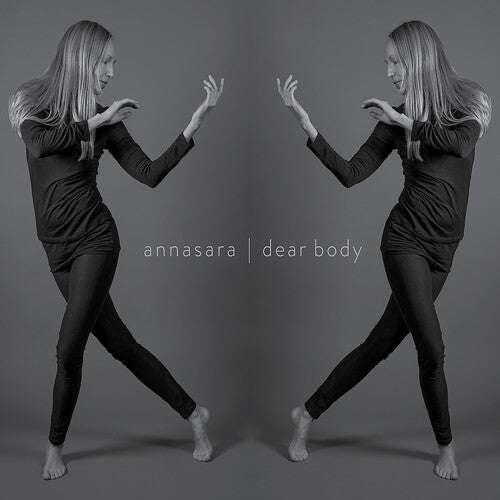
Annasara Lundgren: Dear Body / Lundgren, Vanberg, Jakobsson, Bridger, Peterson
Dear body, “In my silence, There’s a heartbeat, Surrounded by love. Let’s play, Dear body, Surrendering, I am not broken.” You are everything, all that we have. You are life, and through you the music is channeled and takes shape. I ask you to keep playing and singing for as long as I exist. (Annasara)
Through the album’s seven tracks, the titles of which together form a complete text, the music on Dear Body becomes an entire story, like the performance of a musical drama for which the stage has not yet been set. The different moods and soundscapes of the songs propel the story forward, painting a complex picture of pain interspersed with playful simplicity and quiet poetry. It is the love of music, and of making music, that is the driving force here, leading to humility and love for the body. This is what the whole album is about.
The impressionistic sounds, and the simple yet impactful arrangements, are recognizable from previous albums. Harmonies and instrumentation from classical music are transferred to the singer songwriter form in which Annasara’s clear and intimate voice can be heard on four tracks. The last track includes friend and tenor Martin Vanberg. The other tracks are completely instrumental and, in addition to piano and violin played by Annasara herself, we also hear Amelia Jakobsson on cello, Johan Bridger on marimba and Simon Peterson on double bass. All tracks share a sense of chamber music and an organic sound with songlike phrasings and dynamics. All music has been written and arranged by Annasara Lundgren. In the title track "Dear Body," two themes from the Sibelius Violin Concerto are first woven into the song’s verse and chorus, before being heard instrumentally toward the end.
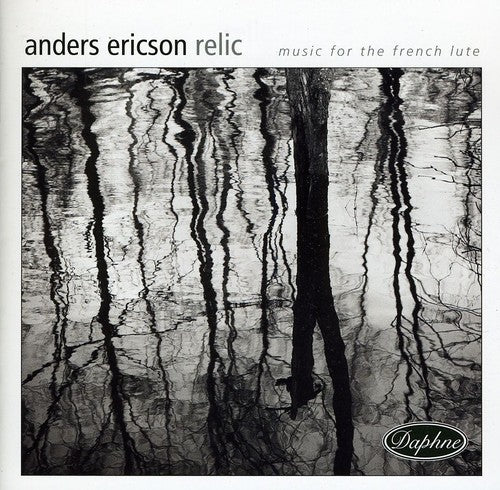
Relic: Music For The French Lute
Anders Ericson’s excellent liner notes warn that the French baroque lute tradition may not be as instantly likable as the snappy, melodic songs of a John Dowland. That’s true, and it’s also true that these works are never as ‘developed’ or downright snappy as the composers who came a generation or two later (like Silvius Weiss). But I really had no trouble genuinely liking this music, let alone Ericson’s tender, evocative playing.
The French composers of the mid-1600s were most interested in expanding the range and technical ability of the lute, dabbling especially in a variety of new tunings. Catchy tunes and lyrical hooks were not as important to them as creating new textures, sounds, and techniques. The ultimate product would be a more closely unified “French school” of lute playing, but the works here are from the experimental period before that, a period in which Ericson is apparently a specialist.
The works here are all miniatures (topping out at 4 minutes) yoked not really into suites but groupings: from Jacques Gallot, for instance, we get a group of “Pieces in A minor.” Gallot is joined by François Dufaut, Jean Mercure, and Germain Plinel, all of whom are unknown to me but all of whom receive engagingly colorful biographies in Ericson’s liner notes, except Mercure, about whom little is known except that he worked at the English court. Dufaut’s pieces exhibit admirable mastery with their compact forms, while Gallot prefers a slightly greater measure of freedom, structurally and harmonically. Pinel, who gets the most time of the four, was lutenist to Louis XIV and indulged more than the other three in difficult fast passages and structural quirks - like the way the prelude seems to end hanging in midair. Ericson suggests that he might have been an influence on Couperin.
Anders Ericson is an interesting figure on his own. This, his debut lute album, demonstrates technical mastery of the instrument - though he says, modestly, that the music is not all that hard once you get past the novel tunings - and a sensitive touch which belies the claim, repeated but not endorsed in the notes, that this music is hard to listen to. Those notes are an excellent guide, too, and a sign of the performer’s scholarship. Which makes it all the more interesting that Ericson’s “day job” is as a heavy metal guitarist. He’s recorded three albums with a progressive metal supergroup called Beyond Twilight. Metal is not really my thing, but I hope that this side of Ericson’s career will be as fruitful as that one is. While it may be true that this music will not grab listeners unacclimated to the lute as immediately as Dowland or Bach might, for those of us who enjoy or love the instrument the recital will prove a treasure. I hope there is more to come.
-- Brian Reinhart, MusicWeb International
Recorder / Kristine West
Kristine West uses her Swedish folk music roots to take on baroque and contemporary music in a free and open-minded way. This debut album has been characterized as having easiness and aim to create an experience of presence - with extreme conviction. West wanted to encourage her listeners to interpret the music through their own experience and to constantly reconsider the music. This allows her music to be constantly alive with a sense of freedom.