Giovanni Battista Pergolesi
32 products
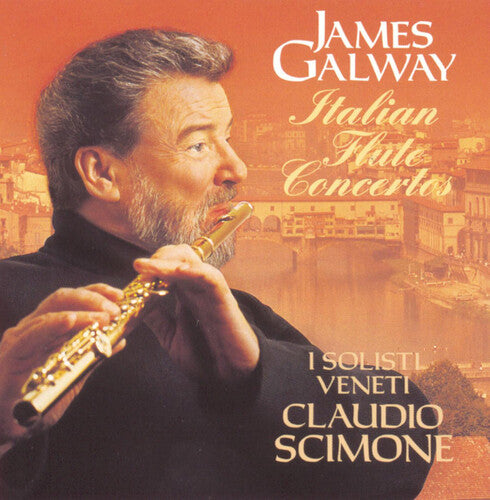
Italian Flute Concertos / James Galway
John Duarte, Gramophone [4/1994]
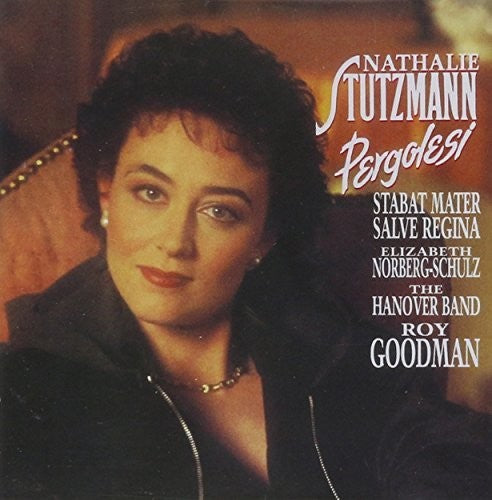
Pergolesi: Stabat Mater, Salve Regina / Stutzmann, Goodman
Pergolesi, Monteverdi, Frescobaldi: Stabat Mater - Sacred Ba
PERGOLESI: Frate 'nnamorato (Lo) (La Scala, 1989) (NTSC)
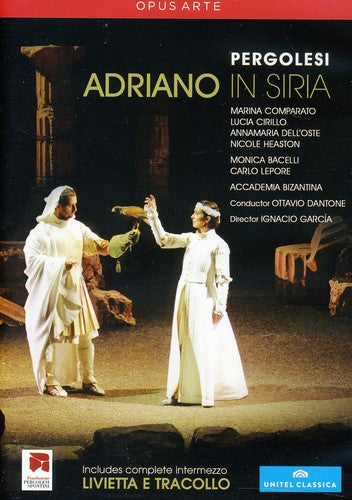
Pergolesi: Adriano in Siria
STABAT MATER
#hornlikes
Pergolesi: Li prodigi della divina grazia nella conversione
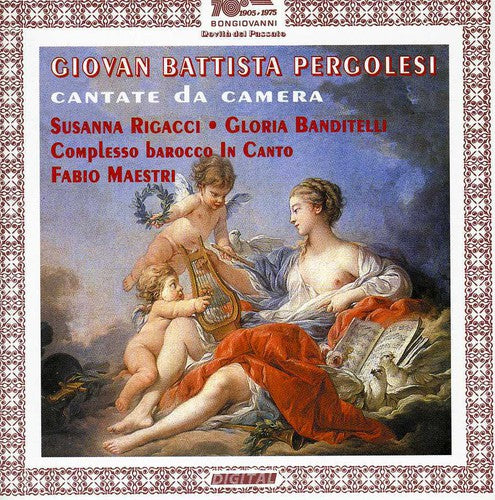
Pergolesi: Cantate da Camera
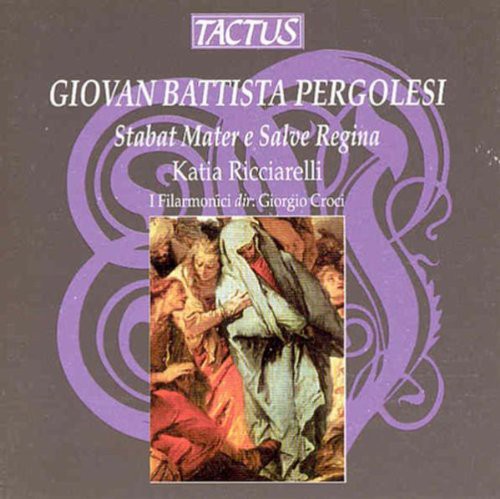
Pergolesi: Stabat Mater e Salve Regina
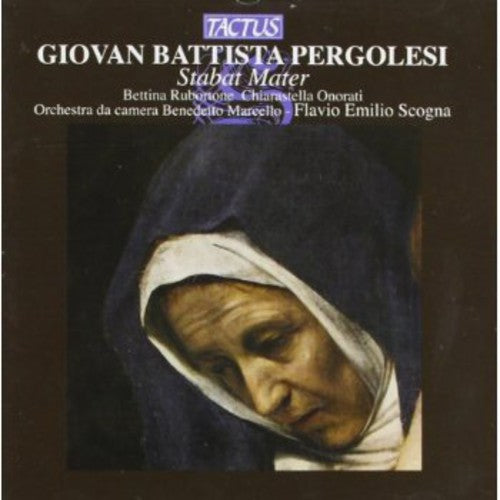
Pergolesi: Stabat Mater
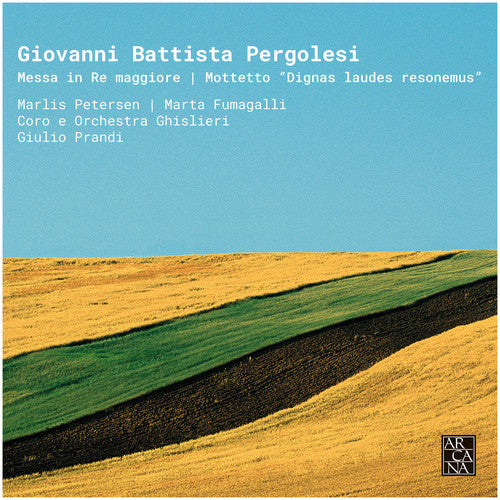
Pergolesi: Messa in Re Maggiore, Motet - Dignas laudes resonemus / Prandi
-----
REVIEW:
This release of two previously unrecorded pieces is an important one. The singing and orchestral playing are excellent, although there is occasionally a little too much operatic vibrato from the two principal soloists. It is good to hear the organ making itself felt in the Messa. This is a welcome addition to the Pergolesi recording library.
– Early Music Review
Pergolesi: Stabat Mater
PERGOLESI: Stabat Mater / Orfeo
STABAT MATER
Pergolesi, G.B.: Stabat Mater / Salve Regina
Jochen Kowalski Sings Arias
Pergolesi: Stabat Mater - Marian Music from Naples
Pergolesi: Stabat Mater / Brown, Cambridge Soloists
Pergolesi: Stabat Mater; Salve Regina / Brown, Instrumental Ensemble
Pergolesi: Cantate da camera, Op. 2
The four cantatas by Giovanni Battista Pergolesi recorded here were published in Naples c. 1736. A short while later, perhaps 1738, a new edition of the cantatas was published. The fact that the two publications following in short succession testifies to the singular interest the chamber works of this very young composer from Jesi, who had died in 1736, aroused in Italian and European musical circles. For all, mention need only be made of the testimony of Charles de Brosses, who, in 1739, judged the fourth cantata of the collection as “the best of the Italian cantatas”.
Pergolesi: La Serva Padrona & Salve Regina
Giovanni Battista Pergolesi brought the theatre into churches, and religious seriousness into theatres. He is also the first musician who was never dropped from the repertory, either in theatres or in churches. Before him, only contemporary music was played and sung. His Stabat Mater and La serva padrona never stopped being performed, admired and applauded. The characters were now men and women made of flesh and blood, not stock characters, types and stilted heroes, and had the same feelings and intentions as the men and women who frequented the theatre. Pergolesi’s modernity still surprises.
Pergolesi: Stabat Mater - Vivaldi: Nisi Dominus / Engeltjes, PRJCT Amsterdam
PRJCT Amsterdam and its artistic director Maarten Engeltjes present two of the greatest vocal works of the baroque era: Pergolesi’s Stabat Mater and Vivaldi’s Nisi Dominus. While Vivaldi’s virtuosic piece contemplates the helplessness of people when God does not support their efforts, Pergolesi’s portrait of the weeping Mary at the Cross embodies what the “nameless” parents of a deceased child go through. In the Stabat Mater, Engeltjes’s counter-tenor blends together seamlessly and soothingly with Shira Patchornik’s soprano voice, resulting in an interpretation that is both profound and deeply relatable.
PRJCT Amsterdam is a young, innovative baroque ensemble centred around counter-tenor Maarten Engeltjes, and founded in 2017. Engeltjes is one of the most sought-after counter-tenors of today, working with several of the most esteemed early music groups and conductors. After having won multiple major baroque competitions, soprano Shira Patchornik is quickly establishing herself as an important singer on the opera and concert stage. All artists make their Pentatone debut.
Pergolesi: Stabat mater; Salve Regina; Orfeo
No one has described Pergolesi’s vocal works more splendidly and with more understanding than the philosopher and pedagogue Jean-Jacques Rousseau, author of the Dictionnaire de musique that was extremely widespread in the 19th century, when he wrote: "Here everything contributes to deepening the effect of the text: the harmony serves only to shape it more forcefully, the accompaniment embellishes it without distorting it. In a word, the whole work of art simultaneously communicates one melody to the ear and only one idea to the mind.“ This CD offers 3 Masterpieces recorded by the long time Duo Regina Klepper and Martina Borst, accompanied by the Bamberg String Quartet.